April 3, 2026
Headlights are one of the most critical safety components on your vehicle, yet they're often overlooked until visibility becomes a problem. Whether you're driving at night, in rain, or through fog, your headlights directly impact how well you see—and how well others see you. Over time, however, headlights degrade due to oxidation, environmental exposure, and general wear. The key question most drivers face is whether to repair or replace them.
Making the right decision isn't just about cost—it's about safety, performance, and long-term value. In many cases, what appears to be a simple cosmetic issue can significantly reduce light output and reaction time on the road. According to AAA, headlight clarity can begin deteriorating within just a few years, sometimes dropping to roughly 22% of its original low-beam output. That kind of reduction isn't just noticeable—it's dangerous.
Understanding when to restore your headlights and when to invest in a full replacement requires a careful evaluation of their condition, your driving habits, and the expertise of a qualified auto body shop. Below is a detailed breakdown to help you make the right call.
Recognizing the Early Signs of Headlight Deterioration
Headlight problems rarely happen overnight. Instead, they develop gradually, which makes them easy to ignore. Early signs typically include a cloudy or hazy appearance on the lens, slight yellowing, or reduced brightness when driving at night. You might also notice that your headlights don't illuminate the road as far ahead as they used to.
These symptoms are usually caused by UV damage and oxidation affecting the polycarbonate lens. While the bulbs inside may still function, the outer layer prevents light from passing through effectively. This is often the stage where repair is both viable and cost-effective.
An experienced auto body shop can assess whether the damage is purely surface-level or if it has progressed further. Addressing these early warning signs promptly can restore visibility and extend the life of your headlights without requiring full replacement.
Evaluating the Severity of Lens Oxidation and Damage
Not all headlight damage is equal. Mild oxidation can often be reversed through professional restoration, but deeper damage requires a different approach. If the lens has become heavily yellowed, cracked, or pitted, restoration may only provide temporary improvement.
Severe oxidation compromises both clarity and structural integrity. Even if a DIY kit seems to improve appearance initially, the results typically don't last because the protective coating has already been degraded.
A professional auto body shop uses specialized tools and industrial-grade coatings that go beyond what consumer kits can achieve. More importantly, they can determine whether restoration will deliver meaningful, lasting results—or if replacement is the smarter investment.
Comparing the Cost of Repair Versus Replacement
Cost is often the deciding factor for many drivers. Headlight restoration is generally more affordable upfront, making it an attractive option when the damage is minor to moderate. Replacement, on the other hand, involves higher parts and labor costs, especially for modern vehicles with advanced lighting systems.
However, focusing solely on short-term savings can be misleading. If restoration only lasts a year or two before the problem returns, repeated repairs can add up quickly. In contrast, replacing the headlights may offer longer-lasting performance and improved safety.
A reputable auto body shop will walk you through both options transparently, helping you weigh immediate costs against long-term value. This ensures you're not just choosing the cheapest solution, but the most effective one.
Understanding the Impact of Headlight Performance on Safety
Headlight performance is directly tied to your ability to react to hazards. Reduced brightness shortens your visible stopping distance, giving you less time to respond to obstacles, pedestrians, or changing road conditions.
Dim or scattered light output can also create glare for oncoming drivers, increasing the risk of accidents. This is especially problematic with oxidized lenses, which diffuse light unevenly rather than projecting it forward.
Repairing or replacing your headlights isn't just a maintenance task—it's a safety upgrade. A qualified auto body shop ensures proper alignment, clarity, and light distribution, all of which are essential for safe driving.
Determining When Restoration Is the Right Choice
Restoration is typically the right solution when the damage is limited to surface-level oxidation. If your headlights are cloudy but not cracked, heavily pitted, or structurally compromised, professional refinishing can restore much of their original clarity.
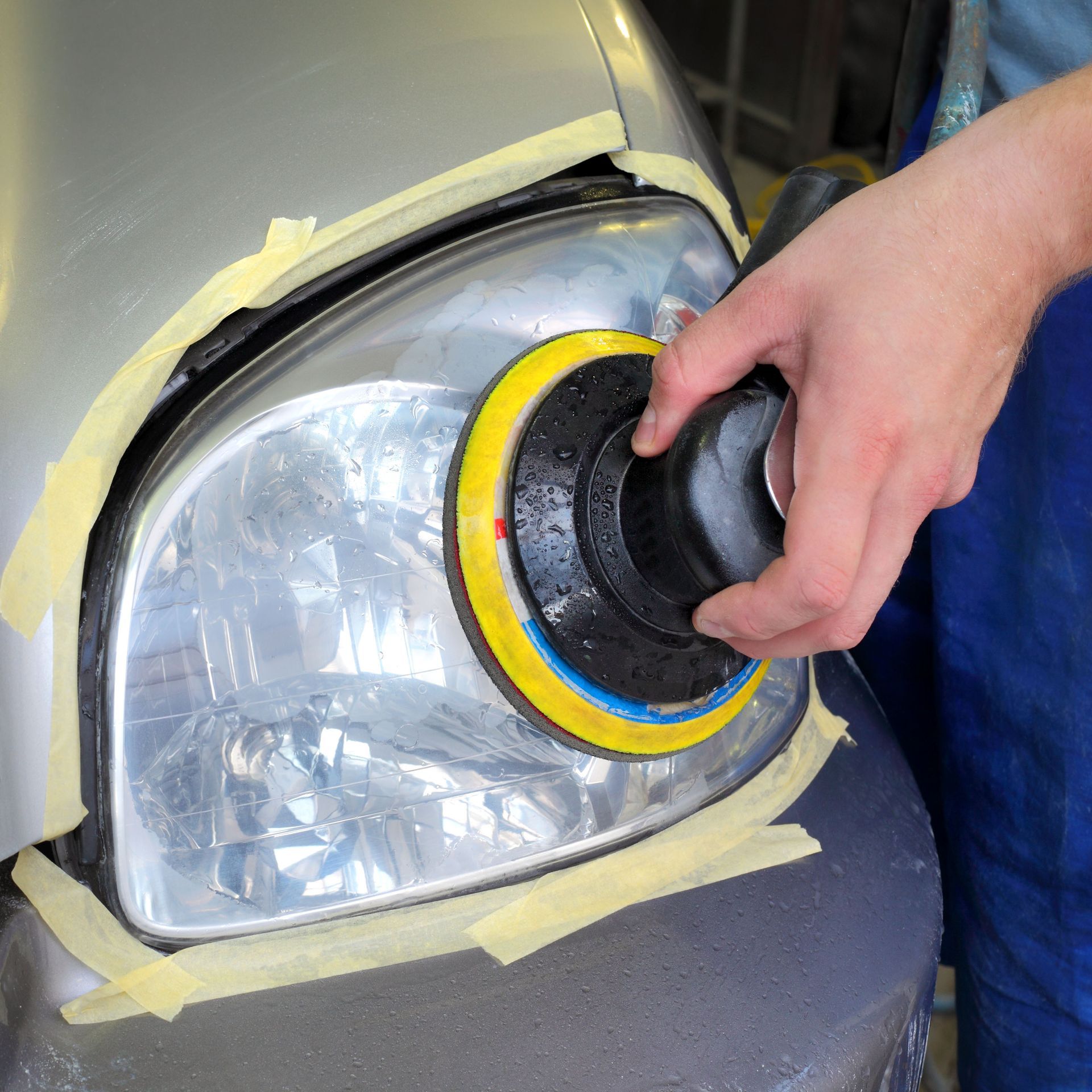
The process usually involves sanding away the oxidized layer, polishing the surface, and applying a UV-resistant sealant. When done correctly, this can significantly improve both appearance and performance.
That said, results depend heavily on the quality of the work. DIY kits often skip critical steps or use inferior materials, leading to short-lived improvements. Working with an experienced auto body shop ensures the restoration is done thoroughly and designed to last.
Identifying When Replacement Becomes Necessary
There comes a point where restoration is no longer sufficient. If your headlights have deep cracks, extensive internal damage, or severe discoloration that doesn't respond to polishing, replacement is the only reliable option.
Modern headlights are more complex than ever, often incorporating LED or HID technology, integrated sensors, and custom housings. Attempting to repair these systems without proper expertise can lead to further issues or even electrical problems.
A professional auto body shop has the tools and training to handle these components correctly. They can source high-quality replacements, ensure proper installation, and calibrate the system for optimal performance.
Considering the Role of Modern Headlight Technology
Today's vehicles are equipped with advanced lighting systems that go far beyond traditional halogen bulbs. LED and adaptive headlights adjust to driving conditions, improve visibility, and enhance overall safety.
While these systems offer significant benefits, they also make repair decisions more complex. In some cases, replacing a faulty component within the assembly may not be possible, requiring a full unit replacement instead.
An experienced auto body shop understands the nuances of these technologies and can recommend the most practical solution. This is especially important when dealing with newer vehicles, where improper handling can affect both safety features and warranty coverage.
Weighing DIY Solutions Against Professional Service
DIY headlight restoration kits are widely available and often marketed as quick, inexpensive fixes. While they can deliver temporary cosmetic improvements, they rarely address the root cause of the problem.
Without proper surface preparation and UV protection, oxidation returns quickly—sometimes within months. Additionally, inconsistent application can lead to uneven clarity or further damage.
Professional service offers a level of precision and durability that DIY methods simply can't match. A trusted auto body shop uses industry-grade materials and proven techniques to ensure consistent, long-lasting results. When safety is on the line, cutting corners isn't worth the risk.
Maintaining Headlights to Extend Their Lifespan
Preventive maintenance plays a key role in keeping your headlights in good condition. Regular washing, waxing, and applying protective coatings can slow down oxidation and preserve clarity.
Parking in shaded areas or using a garage can also reduce UV exposure, which is a primary cause of lens degradation. Routine inspections help catch early signs of wear before they escalate into more serious problems.
Partnering with an auto body shop for periodic evaluations ensures your headlights remain in optimal condition. This proactive approach not only extends their lifespan but also reduces the likelihood of needing costly replacements.
Deciding whether to repair or replace your headlights comes down to understanding the extent of the damage, the performance impact, and the long-term value of each option. Minor oxidation and surface haze can often be resolved through professional restoration, while more severe damage calls for full replacement.
What matters most is ensuring your headlights deliver consistent, reliable visibility every time you're on the road. Compromised lighting isn't just an inconvenience—it's a safety risk that affects you and everyone around you.
If your headlights aren't performing the way they should, it's time to take action. Our team at Advanced Collision can evaluate your headlights, recommend the right solution, and restore your vehicle's visibility with precision and care. Reach out today to schedule an inspection and see the road clearly again.